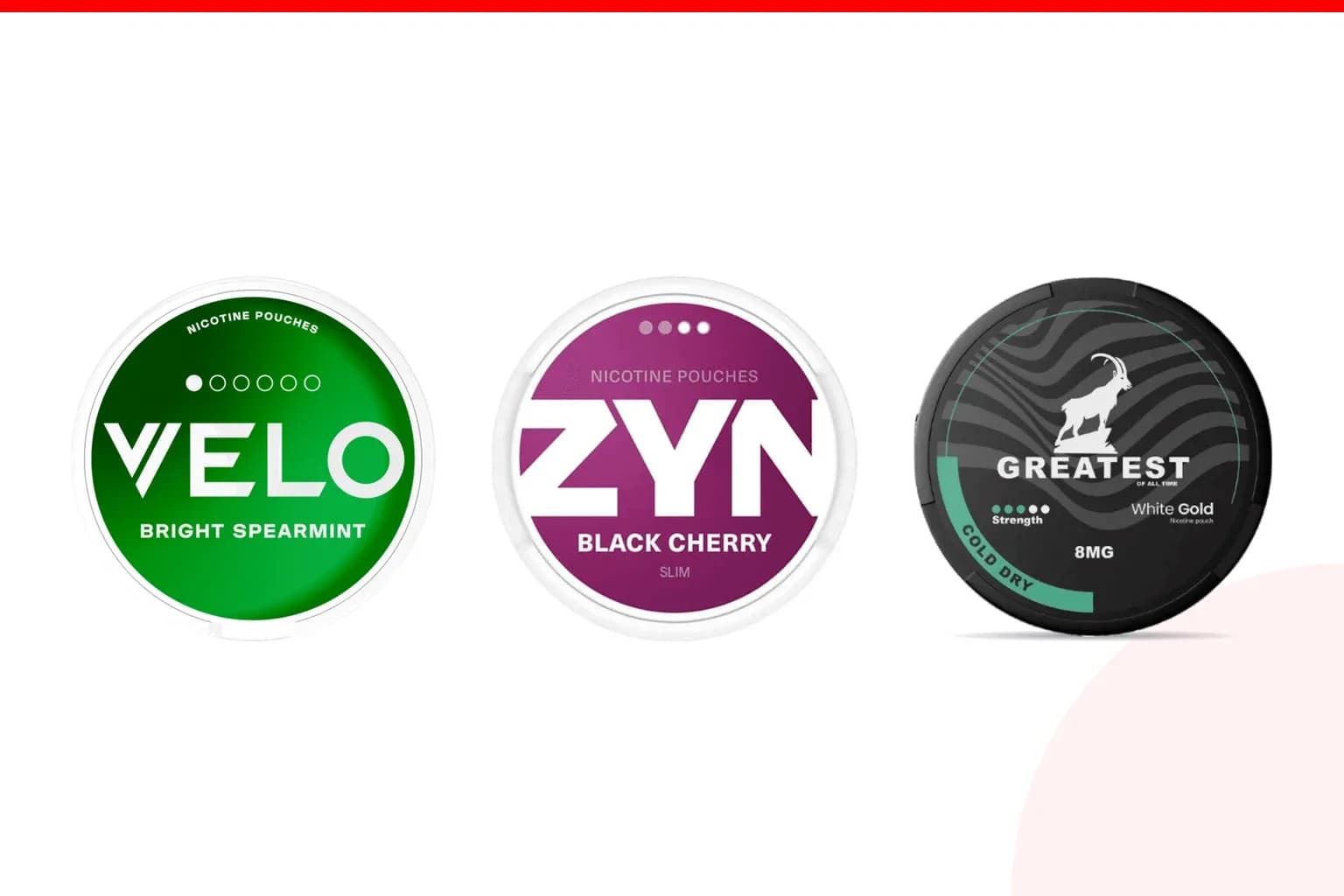
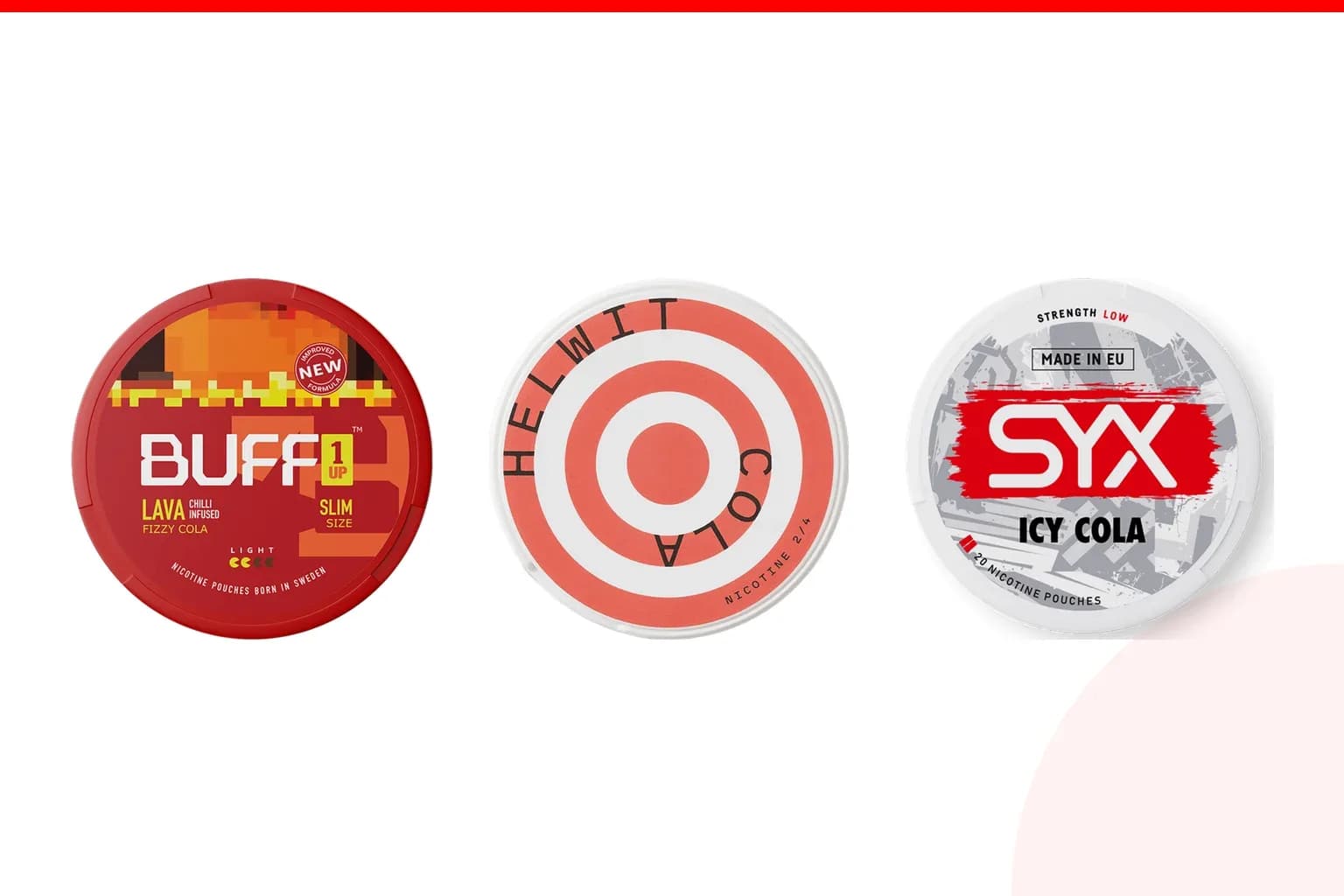
Nicotine pouches in Canada: the complete guide
The four decisions behind every can — strength, format, flavour and cost per pouch — measured across the 43 cans in stock on a Canadian shelf, plus the one number almost nobody prints and the three dates that moved this category out of the shops.
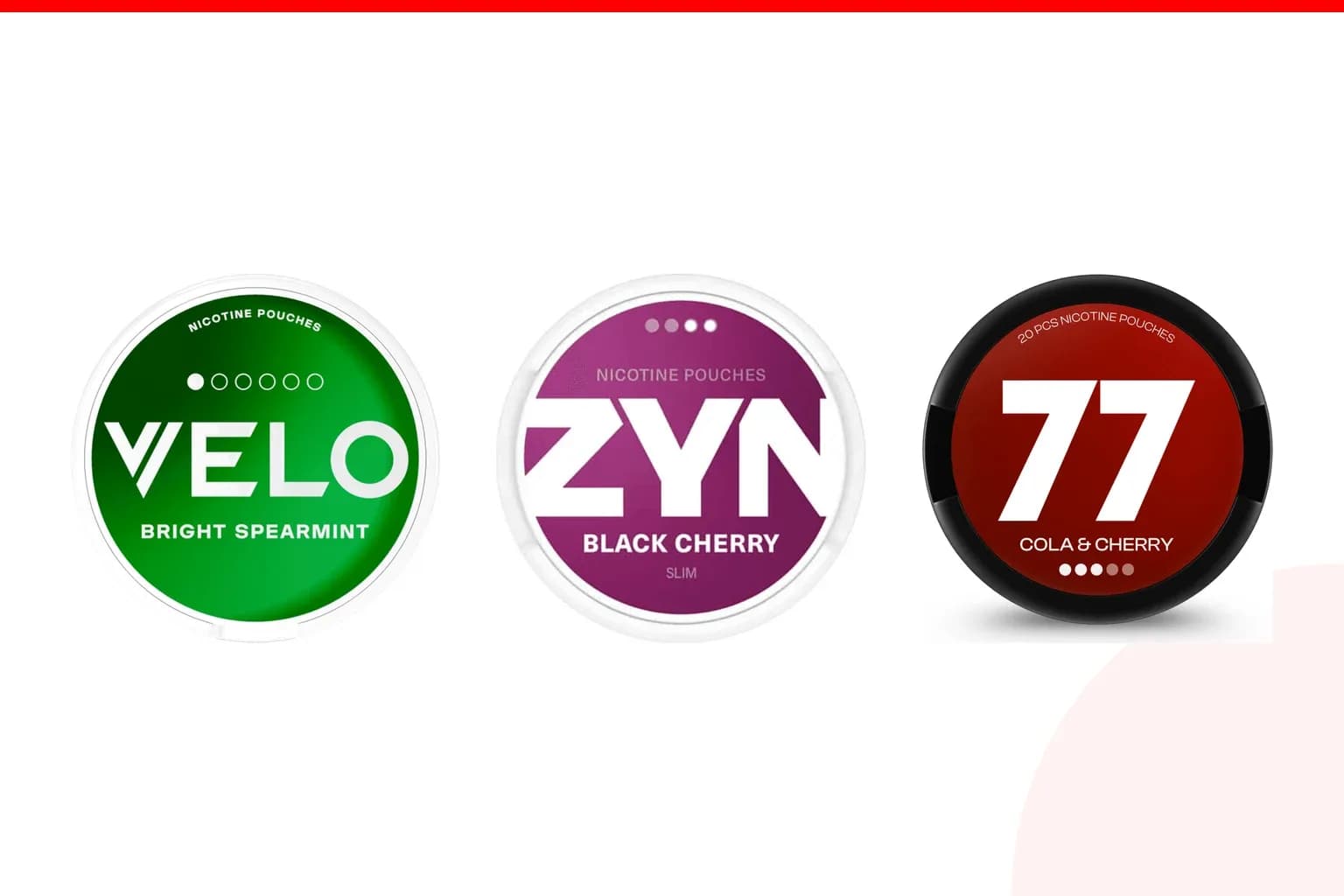
Nicotine Pouches Canada · Updated · 18 min read
A nicotine pouch is a small white pouch of plant fibre, nicotine and flavouring that sits between your top lip and your gum for 20 to 60 minutes. There is no tobacco leaf in it, nothing burns, and there is nothing to spit. In Canada they are legal for adults to buy and to use — what changed is where you can buy them, not whether you can. The number that decides how a can feels is not the milligrams printed on the tin; it is milligrams per gram, and almost nobody prints it.
Most "best nicotine pouches in Canada" articles are a list of brand names with an adjective attached to each one. This is not that. We run a Canadian pouch shop, which means we hold the measured figures for every can we list — nicotine per pouch, pouch weight, nicotine per gram, pouches per can, net weight of material per tin and the name of the company that actually manufactures the brand — and the whole point of this guide is to hand you those numbers and the four decisions they feed, instead of an opinion.
The shelf those figures come from is 43 cans in stock across 10 brands, every one of them a single tin rather than a multi-pack. 40 are nicotine cans that state a dose, and those run from 4 mg to 43 mg per pouch; the remaining 3 are caffeine. Read this front to back and you will know how to pick a can without ever needing a list. If you would rather skip to what Canadians actually buy, the ranked shelf is at best nicotine pouches in Canada, and every can we carry is on one page.
What a nicotine pouch actually is
Four things go into a modern all-white pouch: a plant fibre filler (usually cellulose or a eucalyptus-derived pulp), nicotine, a flavouring system, and a humectant that keeps the pouch from drying out in the tin. What is not in it is tobacco leaf, which is the whole difference between a pouch and traditional Swedish snus — the leaf is what makes snus brown, and its absence is what makes a pouch white and keeps it from staining. We wrote the long version of that in what is in a nicotine pouch and the side-by-side in nicotine pouches vs snus.
Mechanically it is simple. The pouch goes between the upper lip and the gum, saliva releases the nicotine and the flavour through the fleece, and it is absorbed through the gum tissue rather than swallowed or inhaled. You do not chew it and you do not spit. Most people keep one in for twenty minutes to an hour; the flavour usually fades well before the nicotine does, which is why people underestimate how long they have had one in. The practical version of all of this is in how to use a nicotine pouch.
Nicotine is addictive, and pouches are an adult product. Every order ships from our own stock in British Columbia, tracked from the moment it leaves the warehouse. Nothing on this page is a therapeutic claim: a nicotine pouch is a flavoured nicotine product, and that is all we present it as.
Strength: the number on the tin is not the number that matters
This is the single most useful thing in this guide, so it goes first. Every can prints milligrams of nicotine per pouch on the front. That figure tells you how much nicotine is in the pouch — it does not tell you how concentrated it is, and concentration is what you feel. The same dose spread through a half-gram pouch and through a one-gram pouch is not the same experience, because the second one puts that dose into twice the material sitting against your gum, releasing it over a longer time and across a wider area.
Six cans from our own shelf, listed by the number on the front of the tin, with the number that is not on it beside it. We have weighed the pouch on 19 of the 43 cans in stock; across those, concentration runs from 8 mg/g to 50 mg/g.
| Can | Per pouch | Pouch weight | Per gram | Pouches per can |
|---|---|---|---|---|
| VELO Bright Spearmint Mini | 4 mg | 0.50 g | 8 mg/g | 20 |
| 77 Cola Cherry | 10.4 mg | 0.65 g | 16 mg/g | 20 |
| Iceberg Berries Medium | 12 mg | 0.60 g | 20 mg/g | 20 |
| Killa Blueberry | 13.2 mg | 0.80 g | 16 mg/g | 20 |
| PABLO Exclusive Grape Ice | 30 mg | 0.60 g | 50 mg/g | 20 |
| Iceberg Black Extreme | 35 mg | 0.70 g | 50 mg/g | 20 |
Pouch weights and per-gram figures are from our own sourced fact sheets, not from marketing copy. The same three numbers are on every product page here, and an automated test fails our build if they drift.
Rows three and four are the whole argument. The Killa prints 13.2 mg and the Iceberg prints 12 mg, so a buyer reading the front of the tin would put the Killa above it. Per gram the order reverses: the Iceberg is 20 mg/g against the Killa's 16, because Killa spreads a slightly larger dose through a pouch a third heavier. The lower-labelled can is the sharper one. The two rows at the bottom make the same point from the other end — a 35 mg pouch and a 30 mg pouch land at the identical 50 mg/g, so the five-milligram gap between them buys you a longer pouch rather than a stronger one. If you have ever tried two same-strength cans from different brands and found one much sharper, this is almost always why, and our strength converter exists so you can do the arithmetic on any can, ours or not.
The strength ladder, and how much of the Canadian shelf sits on each rung
Tiers are how everyone shops, so here is the ladder we sort by, in ladder order, with the number of cans in stock in each band today. Strong is the largest single band at 19 cans, and the shape of the table is worth reading before the numbers in it: this shelf currently opens at 4 mg and has nothing below it.
| Tier | Per pouch | Cans in stock | Who it suits |
|---|---|---|---|
| Strong | 6–12 mg | 19 | A firm kick and a real tingle; not a first pouch |
| Extra strong | 12–20 mg | 10 | For a tolerance that is already built |
| Super strong | 20–30 mg | 4 | Well-established tolerance only |
| The top tier | 30 mg and up | 5 | The top of the market, and genuinely uncommon |
Counts are cans in stock right now, not the catalogue. A band with fewer than three cans behind it has no page of its own and is left out of this table rather than shown at zero — which is why the lightest rungs are missing today and will reappear when they are restocked.
The compression at the bottom of the scale is the part people get wrong. Moving from a 3 mg can to a 6 mg can is a doubling, and it feels like one; moving from 20 mg to 25 mg is a much smaller relative step. So the honest advice for a first can is the lowest number you can find in a mint, and to buy a second can a week later rather than give up on the category because the first one was 16 mg. It also means the lightest end of this shelf sells out first and stays out longest, which is exactly what the table above is showing. The full picture is in the nicotine pouch strength chart and, in plain language, in what pouch strengths mean.
Format: mini, slim, large — and why it changes the dose
Format is a description of the physical pouch, and it is not cosmetic. A slim pouch is the category default: long, narrow, and shaped to disappear along the gum line. A mini is shorter and lighter — the one to pick if you want the pouch to be invisible or if you are still getting used to the sensation. A large (sometimes sold as a regular or maxi portion) holds more material, sits more noticeably, and generally releases over a longer period.
Because the dose is spread through the material, format and strength are entangled. A mini at 4 mg is denser than a slim at 4 mg, so it hits sooner and sharper. A large at 10 mg can feel gentler than a slim at 8 mg. The way through this is to stop comparing formats and start comparing per-gram figures, which is exactly the column most retailers do not publish. We have written up slim vs regular and what a mini pouch is at length.
- Mini — shortest and lightest, the most discreet, and the most concentrated per gram at a given milligram figure. A good first format.
- Slim — the default on this shelf and on the market. Long, narrow, comfortable for an hour.
- Large, regular and maxi — more material, more moisture, a longer and usually flatter release. Not more nicotine by definition.
- Dry versus moist — a drier pouch releases more slowly and drips less; a moister one comes on faster. Covered in dry vs moist pouches.
Flavour: the families, and which one to start with
Flavour is where the category is genuinely broad and where a first purchase most often goes wrong — people buy the interesting one. Our shelf sorts into seven families and 4 of them have cans in stock today, with sizes that are lopsided for a reason: mint is not the biggest family because it is the most imaginative, it is the biggest because the cooling agents in a mint pouch mask the pepperiness of nicotine better than anything else does. If you are on your first can, buy mint. Buy the interesting one second.
| Family | Products | What it covers |
|---|---|---|
| Mint | 25 | Peppermint, spearmint, menthol, and the freeze and ice variants |
| Berry | 11 | Cherry, blueberry, raspberry, strawberry, blackcurrant |
| Fruit | 6 | Mango, watermelon, peach, apple, pineapple, tropical blends |
| Sweet | 6 | Cola, bubblegum, liquorice, vanilla, dessert flavours |
Every family has its own page here, and the full directory of individual flavours sits behind them.
Two practical notes. First, mint is not one flavour — peppermint, spearmint, menthol and "freeze" are four different sensations and people who dislike one often like another, which we untangle in mint vs menthol vs freeze. Second, flavour intensity fades faster than the nicotine, so a can that tastes overwhelming in the first two minutes may be perfectly judged at minute fifteen. Browse the whole thing by family at nicotine pouch flavours.
Brands: what is actually on a Canadian shelf
Brand matters less than the category's marketing suggests, and it matters in a way that is not obvious. Several of the names that look like rivals come out of the same building: our fact sheets name BAT behind VELO, and they name the same Danish maker, N.G.P., behind both PABLO and Killa — two brands a shopper would read as unrelated and that sit at opposite ends of the price-per-sting argument. What brand does reliably tell you is house style: how sharp the cooling is, how wet the pouch runs, how consistent the dose is from flavour to flavour, and how many pouches you get for your money.
| Brand | Cans | Dose range | Formats |
|---|---|---|---|
| ZYN | 10 | 6–16.5 mg | Slim |
| Iceberg | 6 | 12–35 mg | Slim |
| VELO | 6 | 4–20 mg | Mini, slim |
| 77 | 4 | 10–10.4 mg | Slim |
| White Fox | 4 | 12–22.5 mg | Slim |
| Cuba | 3 | 43–43 mg | Slim |
| PABLO | 3 | 30–30 mg | Slim |
| X-Booster | 3 | 0–0 mg | not stated |
Cans are single tins in stock right now. Dose ranges are the lowest and highest per-pouch figures we currently carry for that brand and are not a claim about the brand's global range — every one of these houses makes cans we are not holding today.
Read that table as a map of intent rather than a league table. ZYN and VELO are the two mainstream houses and between them hold the mild end of what is in stock — they are also the only tins here that vary their pouch count, at 21 rather than the 20 everything else uses. Iceberg and 77 sit in the middle at a strength most regular users settle on. White Fox is the interesting one for a technical reason: three of its four cans here sit at exactly 16 mg/g, so it holds concentration steady and changes the pouch instead — Full Charge carries 16 mg in a full gram and is the same strength per gram as the 12 mg slim, delivered over a bigger pouch and a longer sitting. Black Edition is the one that breaks the pattern, at 30 mg/g. Cuba and PABLO are the top of the shelf and belong in nobody's first order. All 10 brands with stock are listed at every brand we carry.
Price: what a can costs in Canada, and what actually drives it
Canadian pouch pricing is opaque because most shops price per can and stock cans with different pouch counts, so two tins at the same price are not the same purchase. Every order ships from our own stock in British Columbia, tracked from the moment it leaves the warehouse. Markdowns go the other way: 6 of the 43 cans are reduced today, CA$12.00 a can. That makes the comparison unusually clean, because with the ceiling fixed the only thing moving cost per pouch is how many pouches are in the tin.
| Pouches per can | Cost per pouch | Example |
|---|---|---|
| 20 | CA$0.70 | The category standard, and most of this shelf |
| 21 | CA$0.67 | ZYN tins, which run one pouch over the convention |
Cost per pouch at the full CA$14.00 can price, rounded to the cent. A can on sale at CA$12.00 takes roughly 14% off each figure, and multi-can listings are priced at 90% of the same cans bought singly.
Pouch count is the second thing to check after concentration, and it is the one nobody checks. Two tins at the same shelf price are not the same purchase if one holds 20 pouches and the other holds forty — at a flat can price that is a doubling of what each pouch costs you, which is larger than any brand premium in this category. It happens not to bite on this shelf today: every can in stock holds 20 or 21, so the spread is 3 cents and the comparison is nearly flat. It bites hard the moment a forty-count tin appears beside a twenty, which is why the figure is printed on every product page here. The longer treatment, including what shipping does to a small order, is in what nicotine pouches cost in Canada.
The other lever is the order rather than the can. Every order ships from our own stock in British Columbia, tracked from the moment it leaves the warehouse. On a one-can order, delivery is the largest single line on the bill and the easiest one to remove.
The legal position in Canada, and the three dates behind it
Nicotine pouches are legal for adults to buy, own and use in Canada. The confusion around that comes from a change to where they are sold rather than to whether they are allowed, and most of the coverage ran the two together. The rule everybody is half-remembering is an order Health Canada published in the Canada Gazette on 15 August 2024, and it is worth reading for what it actually does rather than what it is reported to do.
- 15 August 2024 — the sales channel closes. The order applies to nicotine replacement therapies taken in the mouth, and it names pouches specifically. Any dosage form not on Health Canada's approved list — pouches among them — may only be sold by a pharmacist or someone working under a pharmacist's supervision, and must not be on a shelf the public can pick from. That is what took pouches out of convenience stores and gas stations.
- The same order restricts the flavour and the name. An authorised pouch may be mint, menthol or a combination of the two, and the flavour cannot be dressed up with a qualifier — "cool mint" is not permitted, plain "mint" is. Brand names that could appeal to young people are refused. Six months were allowed for packaging, labelling and advertising to catch up.
- 21 August 2025 — the advisory is updated. Health Canada's standing consumer advisory on unauthorised pouches was revised to note that a small number of tobacco-free pouches had by then been authorised for adults. Its instruction to consumers is unchanged and is a genuinely useful test: an authorised product carries an eight-digit Drug Identification Number or Natural Product Number, and you can look that number up.
- 14 January 2026 — the strength line is drawn explicitly. Health Canada amended the Prescription Drug List so that the entry for nicotine and its salts carries a part of its own for buccal pouches, making pouches at 4 mg or less per dosage unit non-prescription, for adults 18 and over. Everything else about a pouch follows from which side of that line it sits on.
So the shape of it is this. There is an authorised lane — a small pharmacy range, 4 mg or under, mint or menthol, behind the counter, carrying an NPN. And there is everything else, which is the rest of the market: more brands, more strengths, more flavours, sold online, and not assessed by Health Canada. Neither buying nor using is unlawful for an adult. The distinction is about how the product is regulated and where it may be sold, and Health Canada publishes the current position in full.
Provinces layer their own rules on top, mostly around minimum age and where you may use a pouch in public. The federal minimum is 18, most provinces set 19, and Prince Edward Island sets 21. Every order ships from our own stock in British Columbia, tracked from the moment it leaves the warehouse. Rules in this category have moved three times in eighteen months and will move again, so treat this as a description rather than legal advice — the fuller answer, with the questions people actually ask, is at are nicotine pouches legal in Canada and the detail on the 2024 order is at the new Canadian regulations.
Buying online in Canada: what to check before you order
- Does the listing publish a per-gram figure, or only milligrams per pouch? A shop that only prints the front of the tin either does not hold the measurement or would rather you did not compare.
- How many pouches are in the tin? A price is meaningless without it, and the range on this shelf runs from 20 to 21.
- Where does it ship from, and does the price include the border? We ship from British Columbia to every province and territory and to all fifty states; an order that crosses the border from overseas adds a conversion and a customs step that are not in the quoted price.
- How fast does it actually leave? Weekday orders placed before 2 PM Pacific leave here the same business day. Delivery runs from 2–3 business days in British Columbia to 7–9 business days in Atlantic Canada, with tracking on every parcel — the per-province table is on shipping and delivery.
- How can you pay? Card, Interac e-Transfer and cryptocurrency all work here, and crypto orders take 10% off. If you are buying for a business, wholesale is a separate lane.
Two adjacent categories are worth knowing about before you order, because they solve different problems. Nicotine-free pouches are the same white pouch and the same flavours with no dose at all — not a low dose, none — and people mostly use them late in the day or to stretch a nicotine can further; we are holding 0 today. Caffeine pouches are a different product again, with 3 in stock, and contain no nicotine whatsoever. If your question is which shop rather than which can, the end-to-end version is how to buy nicotine pouches in Canada.
Storage, freshness and the boring parts that ruin a can
A pouch is a moist product with a volatile flavour system, and both degrade in predictable ways. Heat is the main enemy — a tin left on a dashboard for an afternoon comes back flat, because the flavouring goes first and the moisture goes with it. A cupboard is fine, a fridge extends flavour life noticeably, and a freezer is unnecessary. Keep the lid on; the catch-lid compartment on most tins is for used pouches, not for storage. Best-before dates are typically about a year from manufacture and are about flavour rather than the nicotine, which is far more stable. We go into both in how to store nicotine pouches and do nicotine pouches expire.
What are the best nicotine pouches in Canada?
It depends on what you want from a can, which is why this guide is built around the four decisions rather than a list. If you want the shortcut, our ranked shelf orders single cans by what Canadians actually buy from us, and every can on it carries measured figures for nicotine per pouch, nicotine per gram and pouches per tin so you can compare rather than guess.
What strength nicotine pouch should a beginner start with?
Under 6 mg per pouch, in a mint, in a mini or slim format. Mint masks the pepperiness of nicotine better than fruit does, and the low end of the scale is compressed, so the step from 3 mg to 6 mg is a doubling and feels like one. Check the per-gram figure as well as the milligrams: at the same printed dose, a lighter pouch is the sharper one.
Are nicotine pouches legal in Canada?
Yes, for adults. Buying, owning and using them are lawful. What changed is the sales channel. An order published in the Canada Gazette on 15 August 2024 confined nicotine pouches to sale by a pharmacist, off the open shelf, and limited an authorised pouch to mint or menthol; a Prescription Drug List amendment on 14 January 2026 made buccal pouches of 4 mg or less non-prescription for adults 18 and over. Everything outside that authorised range is sold online rather than in shops. Provincial minimums are 18 or 19, and 21 in Prince Edward Island.
How long do you keep a nicotine pouch in?
Manufacturers generally suggest 20 to 60 minutes. The pouch sits between your top lip and gum and is not chewed or swallowed. The flavour fades well before the nicotine does, so the taste disappearing is not a signal that the pouch is finished.
What does nicotine per gram mean, and why does it matter more than milligrams?
Milligrams per pouch is how much nicotine is in the pouch. Milligrams per gram is how concentrated it is once you divide that dose by the weight of the pouch material. Two cans printed as 4 mg can differ by nearly half in concentration because one uses a 0.42 g pouch and the other a 0.80 g pouch, and the concentrated one feels considerably sharper. Both figures are on every product page here.
How much do nicotine pouches cost in Canada?
Every order ships from our own stock in British Columbia, tracked from the moment it leaves the warehouse. Because the can price is flat, cost per pouch is decided by how many pouches are in the tin: 70 cents at 20 pouches and 67 cents at 21. Shipping is free over CA$150.00.
Do nicotine pouches contain tobacco?
No. An all-white pouch contains plant fibre, nicotine, flavouring and a humectant, with no tobacco leaf. That is the difference between a pouch and traditional Swedish snus, which is made from ground tobacco and is brown for that reason.
Can you order nicotine pouches online across Canada?
Yes. Adults can order them and have them delivered to every province and territory. We ship from British Columbia, dispatch weekday orders placed before 2 PM Pacific the same business day, and put tracking on every parcel; delivery runs from 2–3 business days in British Columbia to 7–9 business days in Atlantic Canada.
Are nicotine-free pouches the same thing?
They are the same white pouch in the same flavours with no nicotine in them at all — not a low dose, none. People use them for the ritual without the dose, often late in the day or alternated with a nicotine can. They are not a therapeutic product and we make no therapeutic claim for them.
Join the club
Subscribe for deals, fresh drops and pouch news — straight to your inbox.
⚠️ This page discusses products containing nicotine, an addictive chemical. For adult use only. Keep out of reach of children and pets.