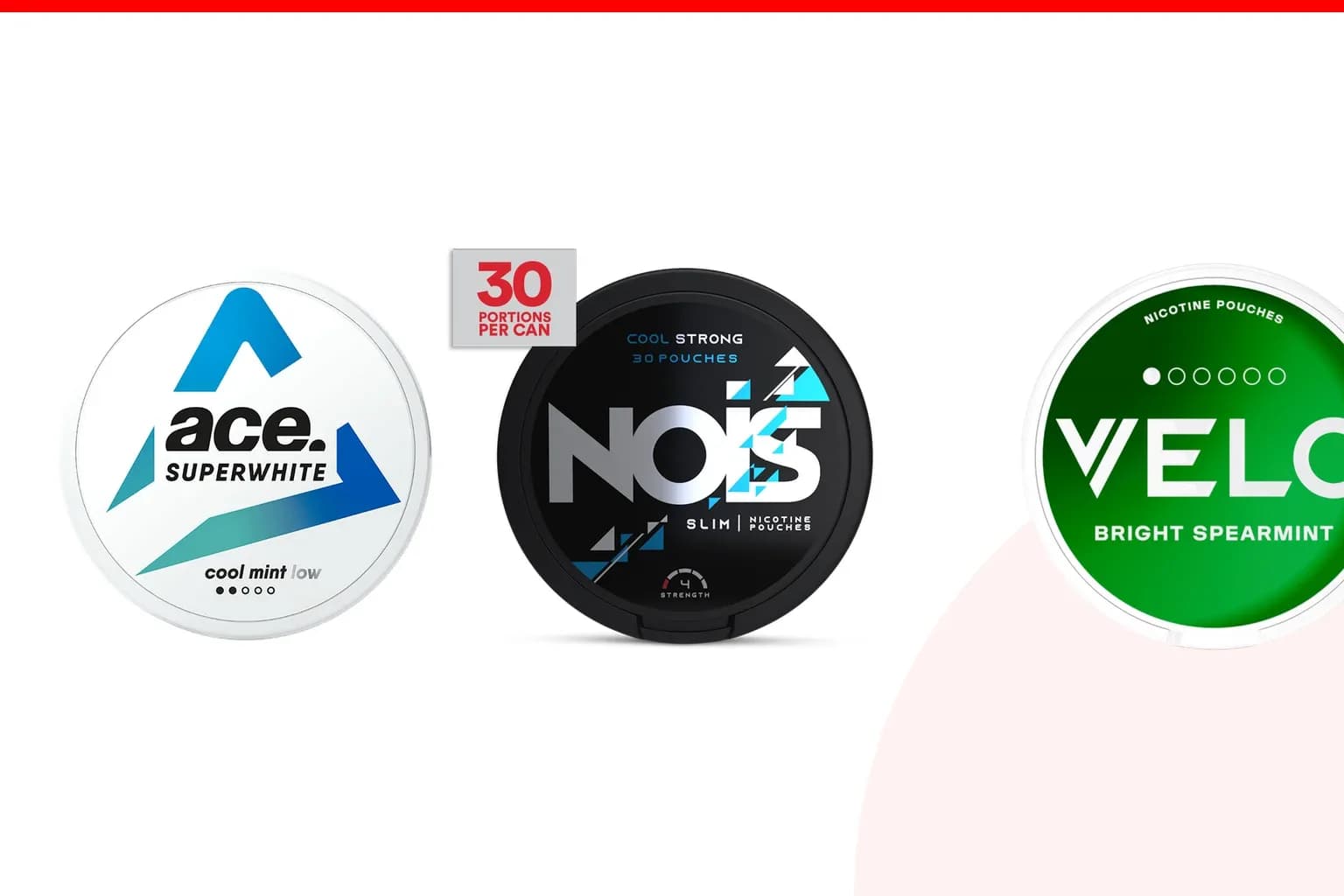
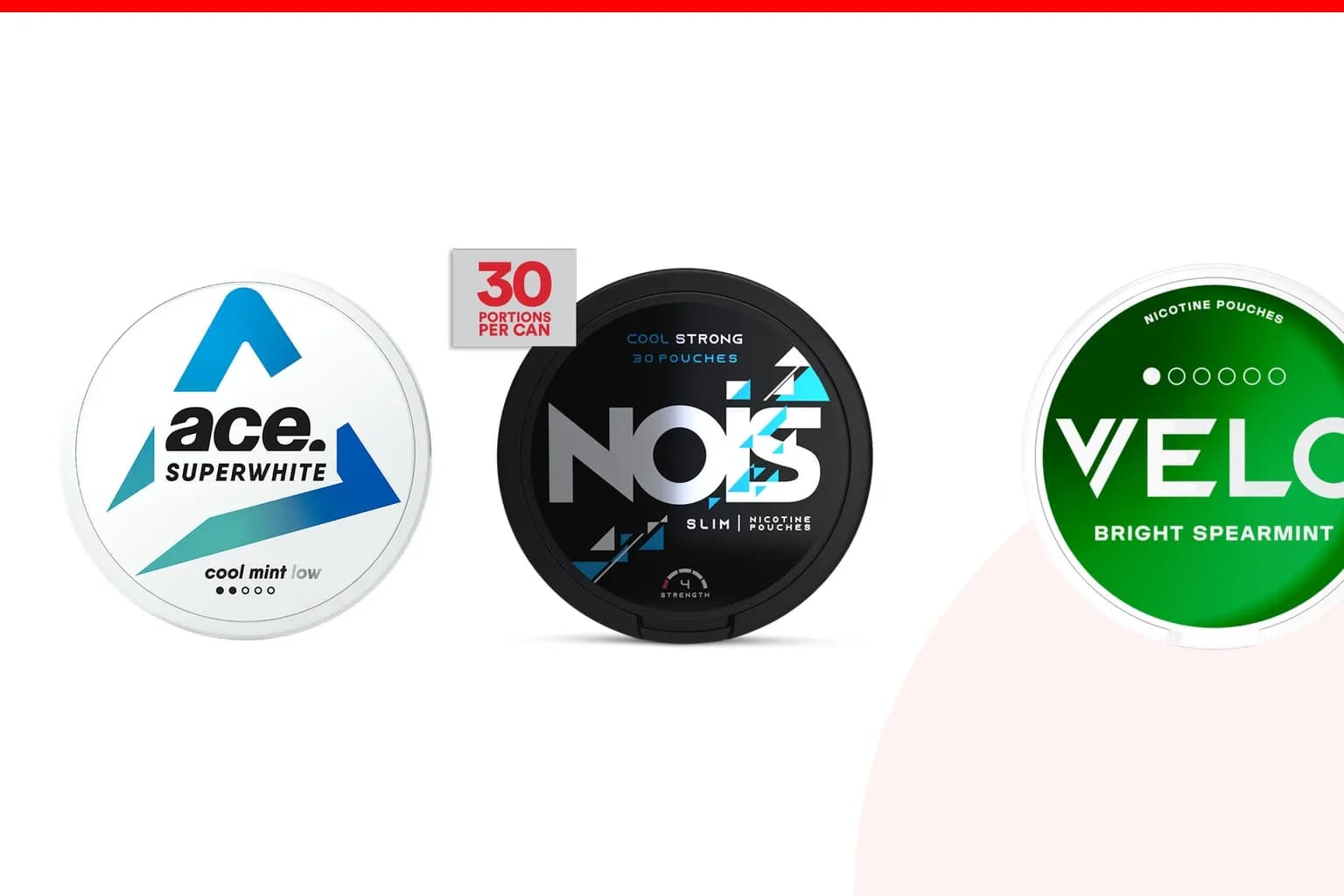
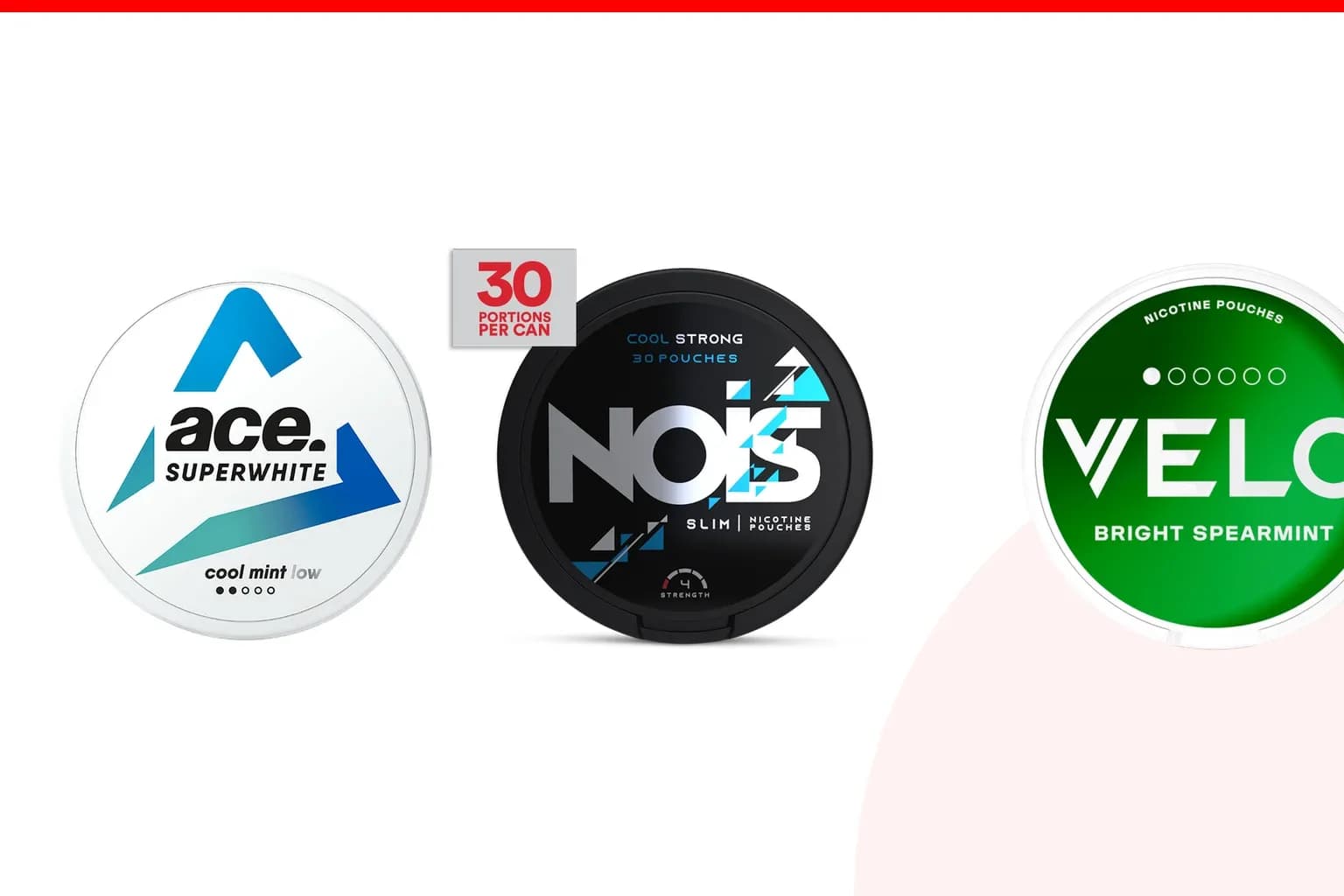
What nicotine pouches are made of: ingredients, formats and what to check before buying
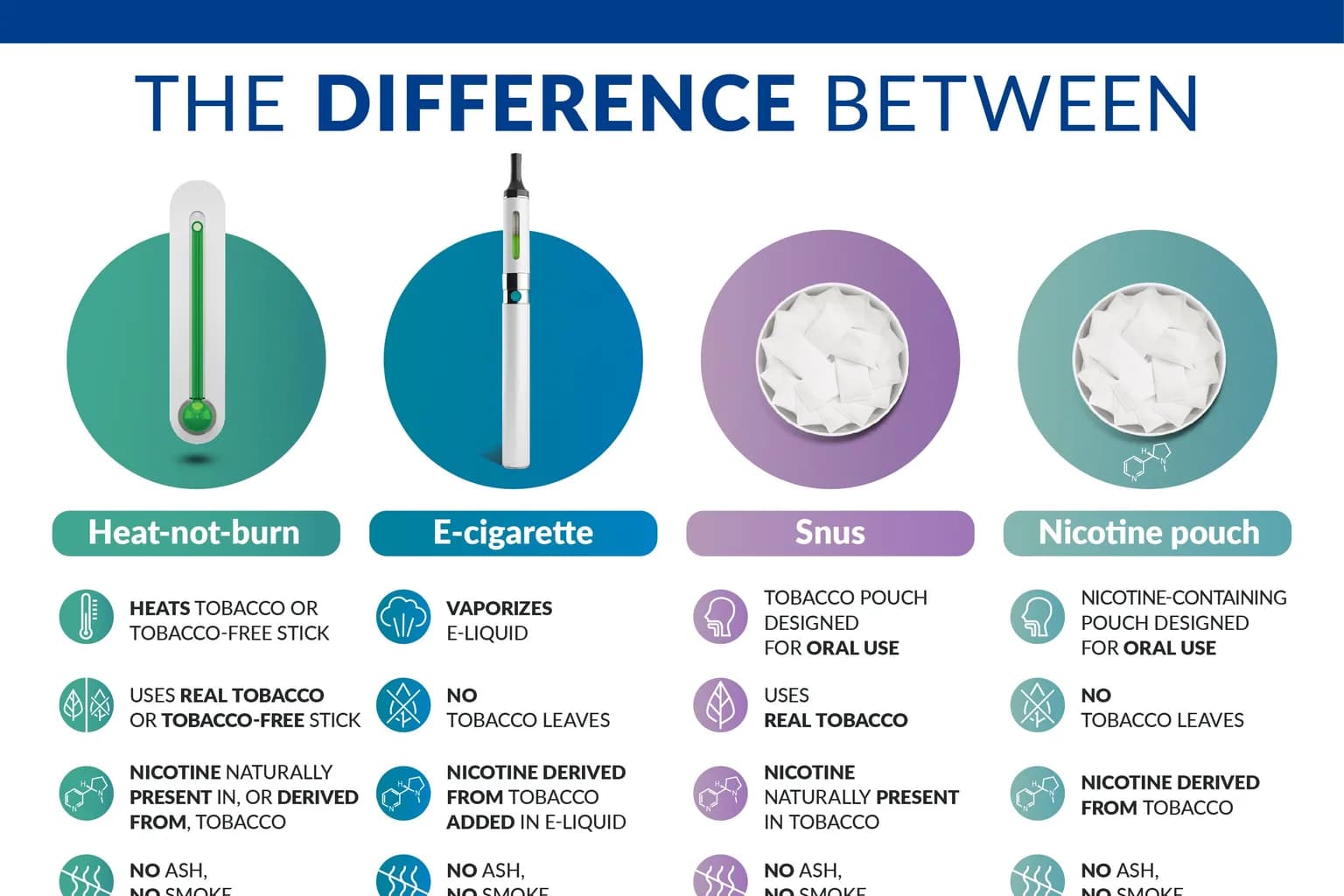
Nicotine pouches contain nicotine, plant-based fibres, food-grade flavourings and sweeteners. Here is how those ingredients show up across the brands we stock, what separates pouches from snus, and how to spot a counterfeit can.

CEO of Nicotine Pouches Canada
Over 16 years of experience in the Nicotine Pouches space, with past experience at Altria and British American Tobacco (BAT) · More about the author
Published · Updated · 2 min read
Prices, doses and pouch counts on this page are read from our own catalogue and from the per-can fact sheets we compile, as the shelf stood when this page was last updated. How we research and correct these pages.
The sachet itself
The part people rarely think about is the bag. It is a nonwoven fabric — fibres bonded together rather than woven over and under — and it is engineered for one awkward combination of properties: strong enough not to tear under the lip, porous enough to let saliva in and dissolved nicotine out, and soft enough not to abrade the gum over an hour.
A woven cloth cannot do that. Weaving leaves regular holes that are either too wide to hold a fine filler or too small to release at a useful rate, and the cut edges fray. A nonwoven sheet has a random, controllable pore structure, which is what lets the manufacturer set how fast the pouch gives up its contents.
The sachet is sealed rather than stitched, usually with heat, which is why the edges are smooth and slightly stiffer than the face. That seal is the part that fails if a pouch is chewed, and it is the reason chewing is the one thing you should not do with one.
Where the material comes from
The fibre in both the bag and the filling is cellulose, which is wood pulp — commonly eucalyptus or pine. It is the same family of material as a tea bag or a coffee filter, processed to food-contact standards and to a far tighter specification on pore size.
Cellulose is used because it is inert. It holds moisture without reacting with what is dissolved in it, it has no taste, and it does not break down in the mouth over the length of a session. A filler that contributed anything of its own would change the flavour as it went.
How a can is put together
The filler is blended wet, so that the nicotine salt, the buffer, the flavour and the humectant are distributed evenly before anything is portioned. An unevenly blended batch would give pouches from the same tin noticeably different strengths, which is the main thing the process is built to prevent.
Portioning doses that blend by weight into a continuous tube of the nonwoven fabric, which is then sealed and cut into individual pouches. Pouch weight is the controlled variable at this step, and it is why the format — a mini, a slim or something bigger — is a property of the machine setting rather than of the recipe.
The tin is the last piece and does real work. It is sealed to hold moisture in, because a pouch that dries out in storage will not release properly, and the lid carries the shallow catch compartment that used pouches go into.
Why it is built this way
Every choice above serves the same end: a known amount of nicotine, released at a predictable rate, from something comfortable to hold in the lip for an hour. The fabric sets the rate, the blend sets the amount, the buffer decides how much of it crosses the gum, and the tin keeps all three stable until the pouch is opened.
Keep going: VELO, Ace, our full nicotine pouch range, every brand we carry.
Join the club
Subscribe for deals, fresh drops and pouch news — straight to your inbox.
⚠️ This page discusses products containing nicotine, an addictive chemical. For adult use only. Keep out of reach of children and pets.