How Nicotine Pouches Are Made: From Plant Fibre to Sealed Pouch
Nicotine pouches are small white pouches made from plant-based fibres, water, nicotine, flavourings and sweeteners, sealed in a non-woven fabric. Here is what goes into them, how strengths are set, and how regulations shape the can you buy.
Nicotine Pouches Canada · Updated · 4 min read
What a nicotine pouch contains
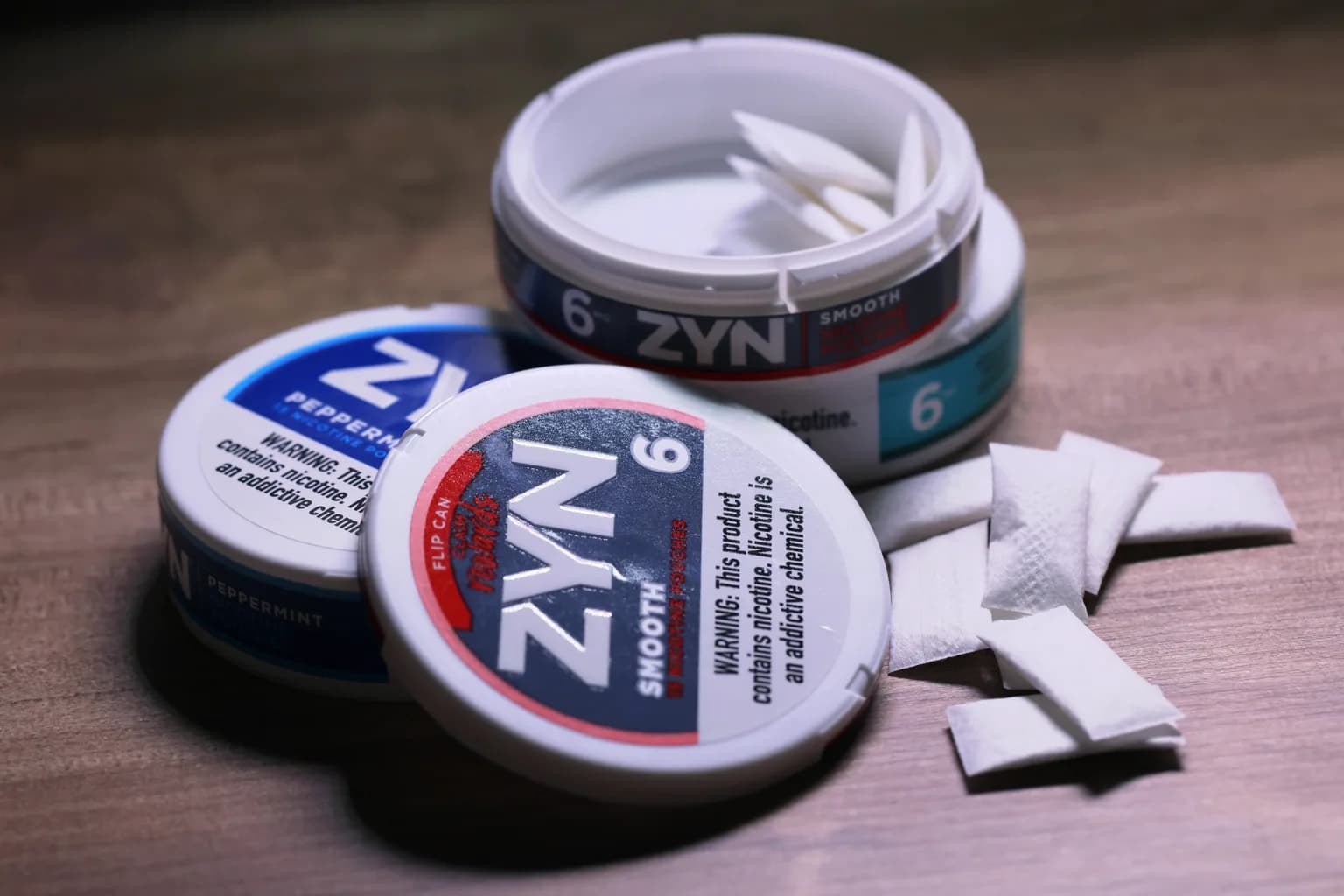
A nicotine pouch is a small, white, pre-portioned package meant to sit between gum and cheek. Its contents are a blend of plant-based fibres, water, flavourings, sweeteners and nicotine. No tobacco leaf is used, though nicotine may be present as freebase nicotine or as a nicotine salt. The outside is a non-woven fabric that holds the blend together.
The plant fibre is the carrier. It is processed or conditioned so that it is soft, absorbent and able to hold moisture, nicotine and flavour evenly. Sweeteners are typically added to offset the natural bitterness of nicotine, and flavourings define the profile — from mint and fruit to coffee and licorice.
How the blend becomes a pouch
The manufacturing process begins with the fibre base. The fibre is heat-processed and conditioned with water to reach a specific moisture level. Nicotine, flavourings and sweeteners are then blended in. Some manufacturers include flavourbeads — micro-encapsulated flavour particles that release gradually and are said to keep both flavour and nicotine delivery consistent over the time the pouch is in the mouth.
The conditioned blend is placed inside the non-woven fabric and sealed into individual pouches. The finished pouch carries a label stating the nicotine strength in milligrams per pouch, the pouch count, and often the net weight of the contents. The per-pouch strength is set during formulation, so a can labelled 4 mg per pouch will have been blended to that target.
Strengths, concentrations and pouch formats
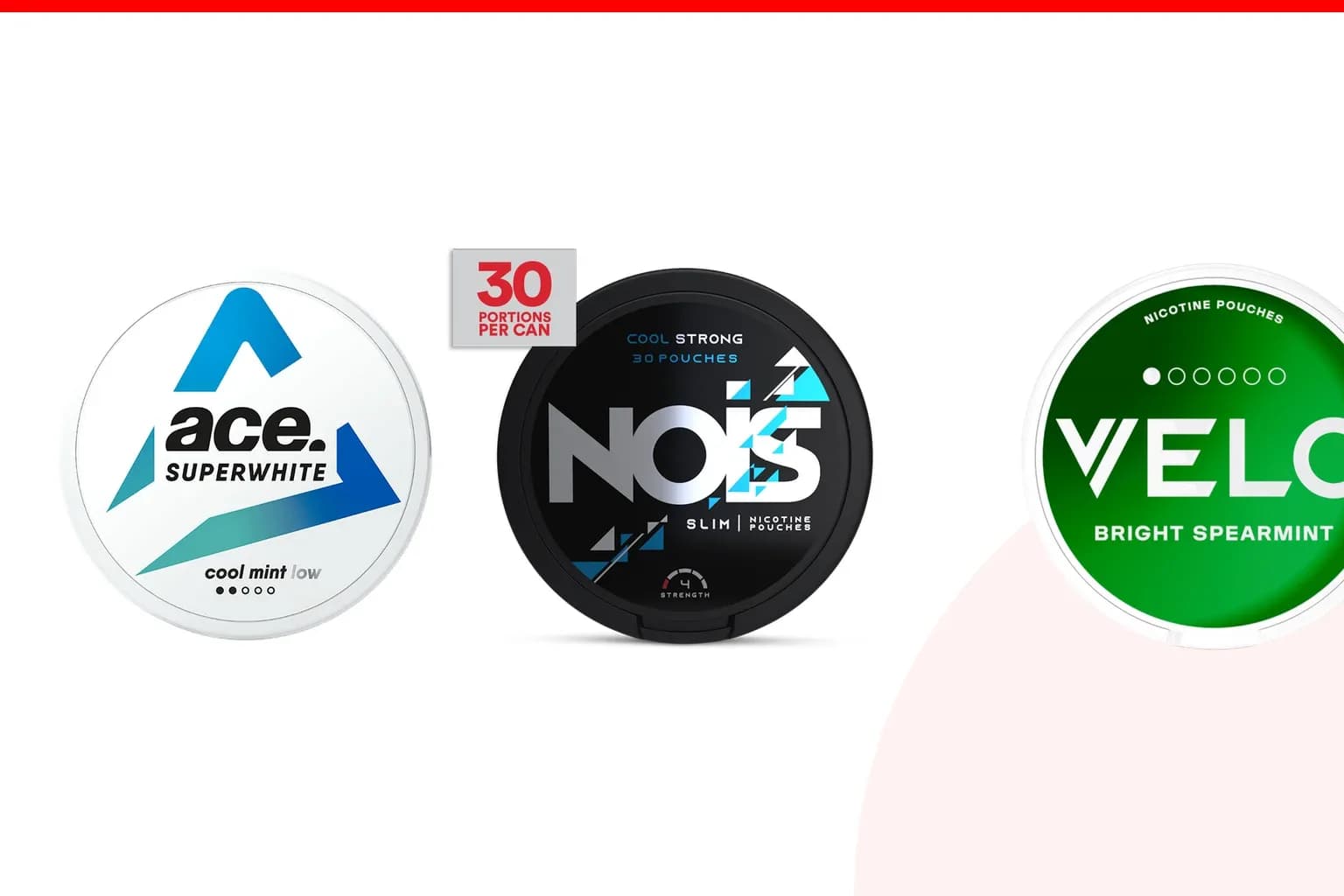
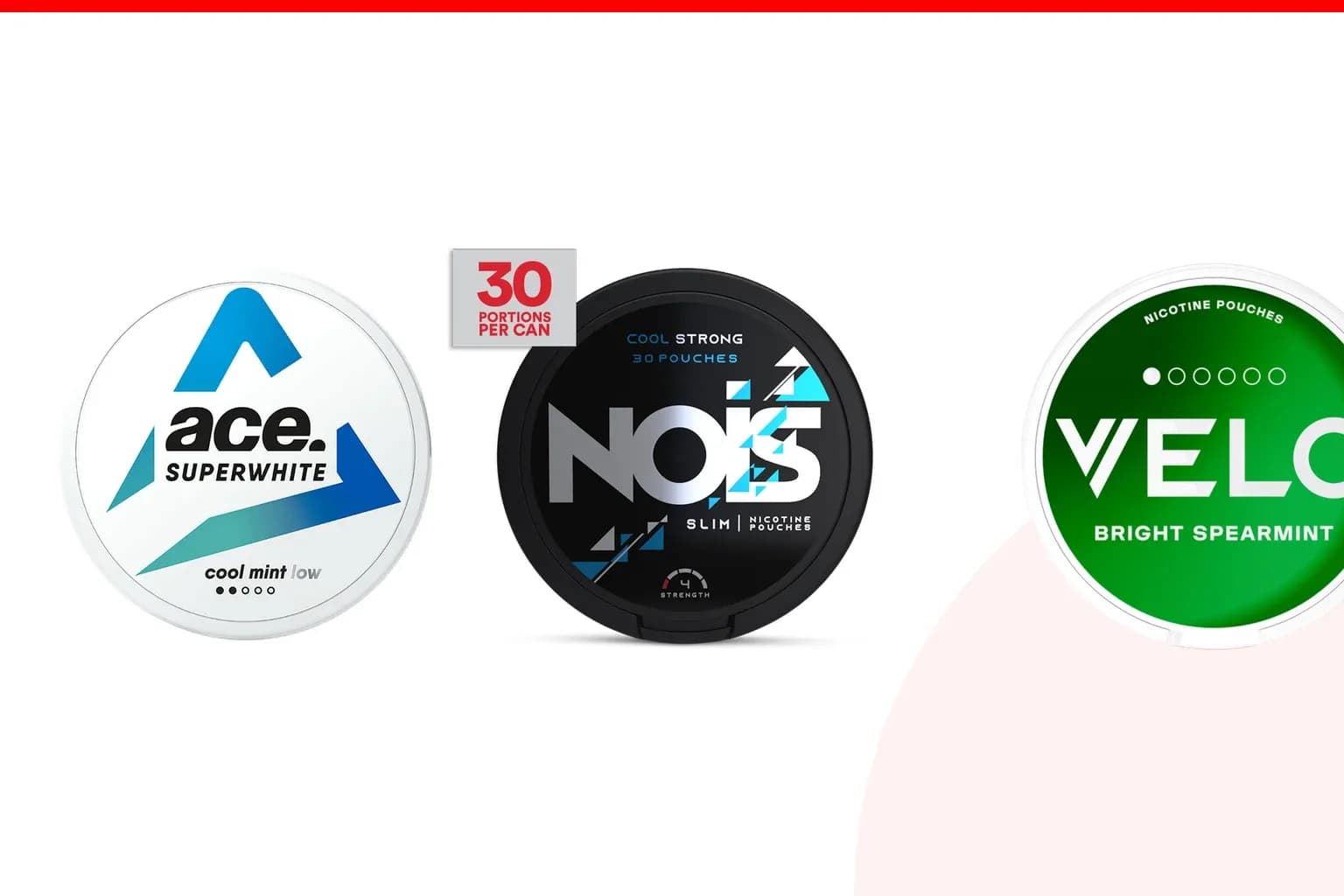
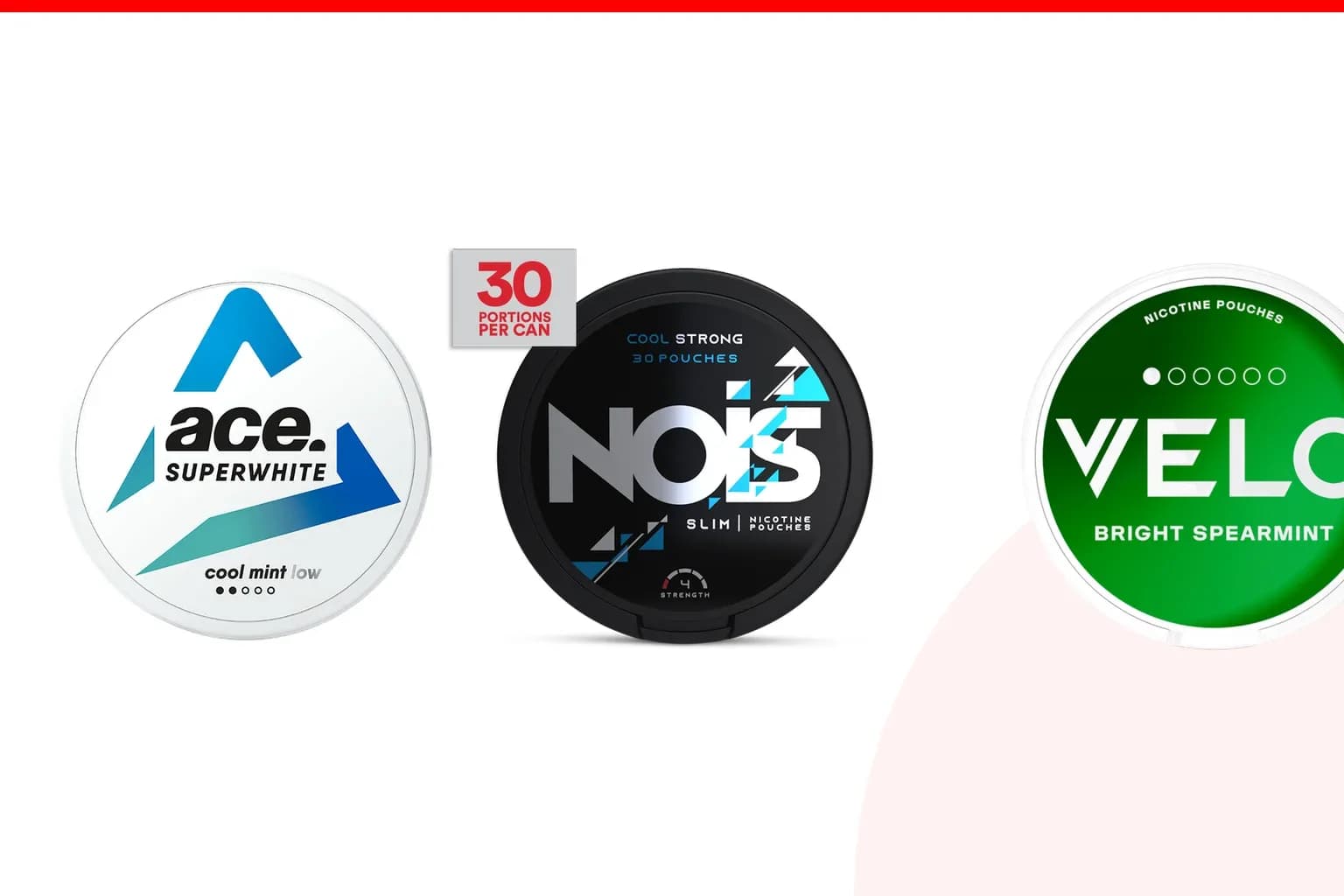
Nicotine strengths vary widely from one can to the next. Ace is 3 mg, Après spans 3.2 to 4 mg, and NOIS, VELO and XQS are all 4 mg. Because pouch weight varies, the same per-pouch strength can correspond to different concentrations. Ace Cool Mint Light is 3 mg in a 0.5 g pouch, or 6.0 mg per gram. NOIS and XQS are 4 mg in 0.5 g, or 8.0 mg per gram. VELO Sour Lime Mini puts 4 mg into a 0.42 g pouch, equal to 9.5 mg per gram.
Pouch format also differs. Mini portions are smaller and lighter — some VELO minis weigh 0.42 g, and Après Mochaccino Mini is 0.4 g with 3.2 mg nicotine. Slim portions are longer and weigh about 0.5 g. The amount of contents per can follows: most 20-pouch cans hold 10 to 11 g, while NOIS cans hold 15 g and contain 30 pouches. That is why NOIS works out to about CA$0.47 per pouch while 20-count cans are CA$0.70.
Flavours and how they are made
Flavours are added during the blending stage, before the pouch is sealed. Our range includes mint, berry, cherry, citrus, mango, banana, coffee, licorice, peach, elderflower, guava, passionfruit and mixed fruits. Some flavours are combinations: Après Ice Tea Peach is mint and peach, and NOIS Wintergreen is fruit and mint. The intensity is set by the amount of flavouring and any sweeteners in the blend.
Flavour release depends on the formulation and the user. Manufacturer guidance differs on how long to keep a pouch in: one brand gives 30–45 minutes as typical, while another describes 45–60 minutes for mint, fruit or flavourbead pouches. Flavourbeads are designed to keep release steady over that period. The pouch is kept in the mouth and nicotine is absorbed through the oral mucosa.
Regulations that shape what can be made and sold
Production decisions are heavily influenced by regulation. In California, Senate Bill 793, passed in 2020 and upheld by Proposition 31 in 2022, bans flavoured tobacco and nicotine products except tobacco flavour, and that ban covers nicotine pouches. From 1 January 2026, California also requires any nicotine pouch sold there to appear on the Attorney General’s Unflavored Tobacco List, a registry that manufacturers must apply and pay to join. Only tobacco-flavoured pouches on that list may be shipped to California addresses. Two nicotine pouch brands have received full FDA marketing authorization: ZYN, the first, and ON!, the second.
In Canada, Health Canada sets a 4 mg per pouch maximum and a 60-can per 90-day import limit for personal use, which is why our stock does not go above 4 mg. Delaware, by contrast, has no flavour ban on nicotine pouches, and its vapour excise tax does not apply to pouches. Regulations change frequently, so it is worth checking the current rules before ordering across borders.
What to know when buying nicotine pouches
Nicotine pouches are placed under the lip, and the nicotine is absorbed through the lining of the mouth. They are spit-free, so swallowing saliva is normal. They are often used in settings where smoking or vaping is not allowed. Swallowed pouches should not be swallowed — they are for oral use only. Used pouches should go in the bin, not down a drain or onto the street.
At Nicotine Pouches Canada we stock Ace (3 mg), Après (3.2–4 mg), NOIS (4 mg), VELO (4 mg) and XQS (4 mg), each in single cans at CA$14.00. The manufacturers are Ministry of Snus for Ace, Après Nicotine AB and BAT for Après, NOIS.WORLD for NOIS, BAT for VELO, and XQS international AB for XQS. We ship across Canada, and ship free on orders over CA$150.
Keep going: Level, mg/g, our full nicotine pouch range, every brand we carry.
Join the club
Subscribe for deals, fresh drops and pouch news — straight to your inbox.
⚠️ This page discusses products containing nicotine, an addictive chemical. For adult use only. Keep out of reach of children and pets.